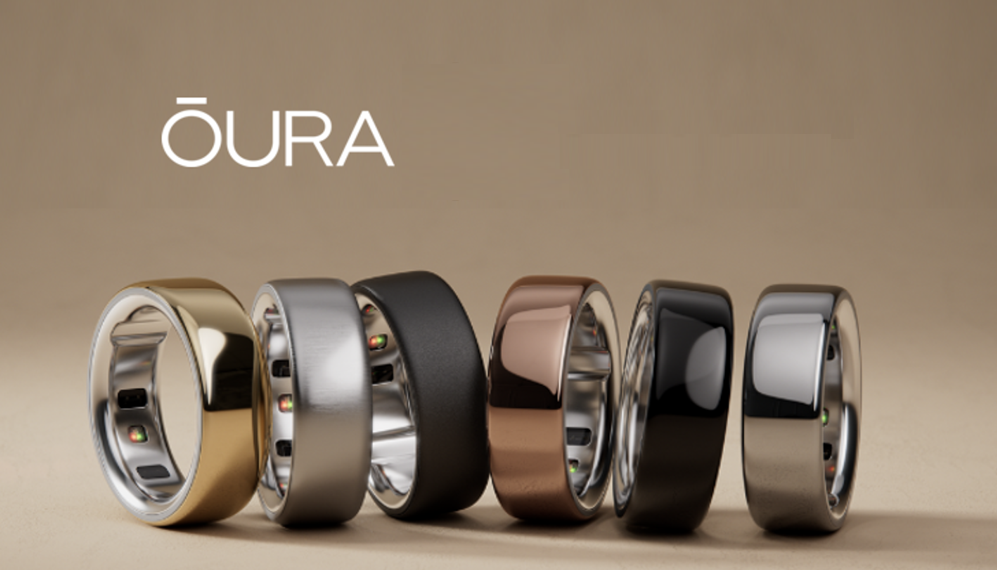
It didn’t take long for the Oura IPO rumors to turn into a bonafide S-1, giving us the first real look under the hood of a consumer health company looking to get its AI healthcare platform credentials (and the valuation that comes with them).
Oura’s been busy polishing up the balance sheet. The smart ring OG is on its way to ring the Nasdaq bell ($OURA) with the kind of financials most digital health companies only dream of:
- $1.2B in revenue for the nine months ended June 30, up 74% YoY.
- $61M net income on 55% gross margins, up from $1.6M in the same period last year.
- 5M paid members wearing their ring 23 hours a day.
Not too shabby. The last bullet is especially impressive, made possible by 94% of activations converting to memberships with a juicy 85% annual retention.
- Bloomberg reports that Oura is seeking $3B at a $16B+ valuation, up from the $11B notch in its valuation belt that it earned in last October’s $900M Series E.
Those definitely aren’t jewelry numbers. Oura has been positioning itself as an AI-powered health platform sitting on 42B hours of longitudinal biometric data, a dataset that grew 83% in the past nine months alone.
- It also boasts 1,200+ integration partners that feed clinical data back into the platform.
- The member base also looks more like a patient population than the fitness crowd most people would expect: 72% women, more than half reporting at least one chronic condition, and 37% with household incomes under $100k.
Small healthcare beachheads are still beachheads. Oura backs up the health platform by bringing its ring to places like Essence Healthcare’s MA plan (where roughly a third of members opted in), a Cigna benefit collaboration, Lumeris’ care pathways, and Maven Clinic.
- There’s also the recent Counsel Health partnership that put AI-guided physician consults directly inside the Oura app, and a nice industry ally in partner-turned-investor Dexcom.
Now for the best part of any S-1: the risk factors. Memberships are only 20% of revenue, so this is still a hardware business at its core.
There’s also a nice pearl about early investors reportedly cashing out $1.09B before the public gets its turn, and a well-timed class action to challenge the accuracy of Oura’s sleep staging numbers.
The Takeaway
Every company has its risk factors, but we’ll always cheer for a big digital health-ish exit. That said, Oura’s S-1 spent a lot of pages telling the SEC what it won’t promise for a company selling “predictive health.”