CMS just dropped the CY 2027 Physician Fee Schedule, so here’s (probably) everything you need to know about what made it into the final cut.
First things first. The final MPFS introduced sweeping changes to value-based reporting, ACO incentives, and reimbursement policies.
- The reforms were designed to expand preventive care payments and strengthen billing oversight, but let’s see how they held up against the proposed rule.
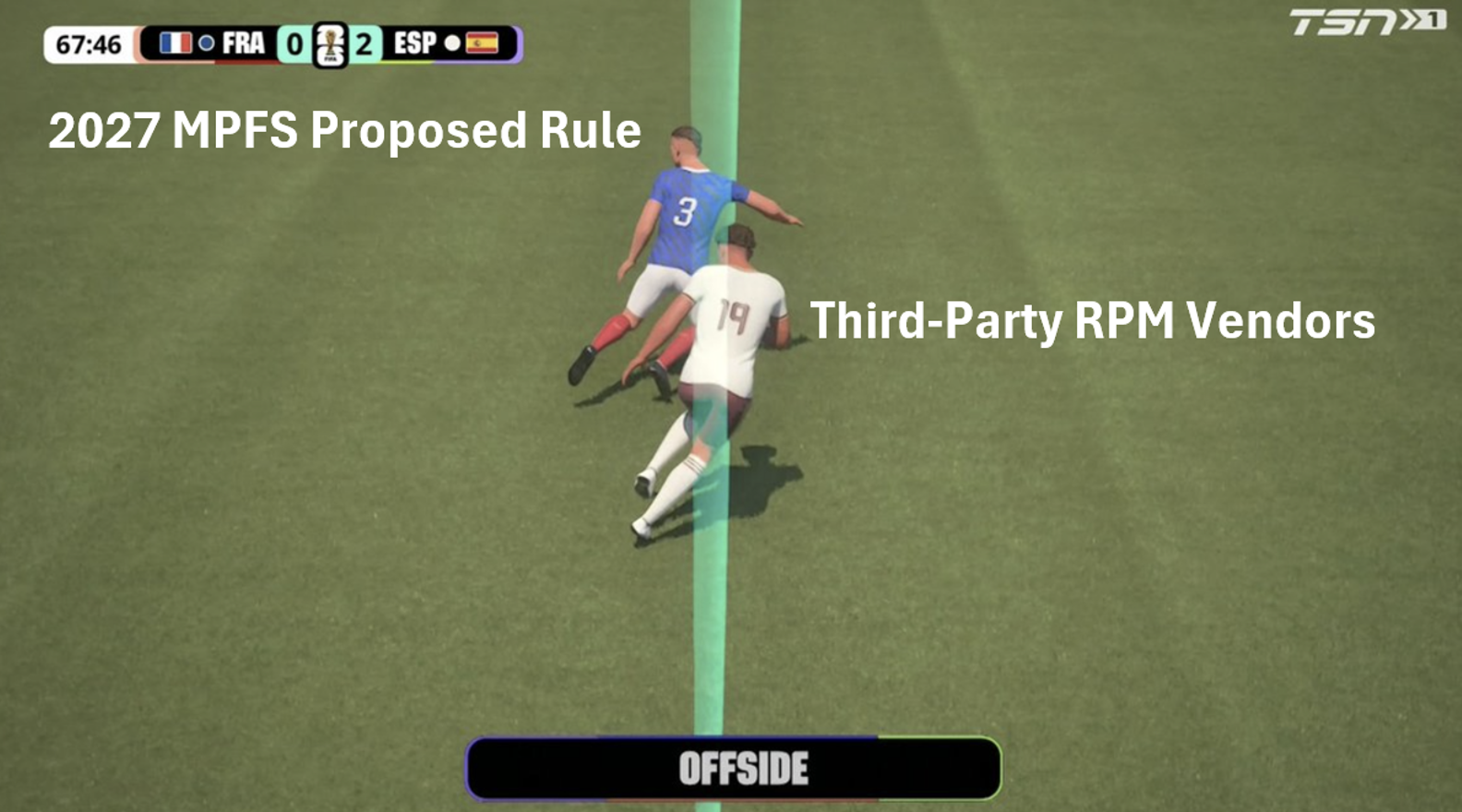
Third-party RPM Vendors are still offside… the whistle just isn’t getting blown out until 2029. Despite the soccer metaphors already feeling seriously dated a few months after the World Cup, some of the biggest proposals are sticking around.
“Direct Employee” proposal: “After consideration of public comments, we are finalizing that for the purposes of billing Medicare, beginning January 1, 2029, the RPM and RTM codes cannot be billed in cases where the service is not performed by clinical staff that is a direct employee of the practitioner or the practitioner’s practice and contracting out to third-party companies will not be allowed after that time.”
- Prior to this date, CMS will be publishing sub-regulatory guidance further clarifying clinical staff arrangements that may be appropriate for remote monitoring services.
“Established Patient for RTM” proposal: “We continue to believe that an established patient requirement ensures that the practitioner would possess information needed to understand the current medical status and needs of the patient prior to ordering RTM services.”
- Better yet, an established patient is one who has received any professional services from the physician or other qualified health care professional who belongs to the same group practice within the past three years.
“Initiating Visit” proposal: “RPM or RTM services must furnish a separately reportable initiating visit in association with the onset of RPM or RTM services….”
- The initiating visit does not have to be for the sole purpose of discussing remote monitoring services. RPM or RTM must be discussed with the patient at that visit, but does not have to be the sole purpose of the visit or sole topic discussed.
The Takeaway
The amount of fraud in Medicare might only be matched by the amount of waste. This will definitely cut down on both, with the only downsides being a not-so-small risk of more untreated chronic conditions and significantly higher costs for Medicare.